
Probate Real Estate in Claremont: What Heirs Must Know Before Selling | Paul Vyhnalek
Probate Real Estate in Claremont: What Heirs Must Know Before Selling
Handling a home after a loss is overwhelming. The last thing you need is confusion about the process.
Yet for many heirs in Claremont and the San Gabriel Valley, confusion is exactly what they encounter when they learn the family home can't simply be listed and sold. It must first move through California's probate system — the court-supervised process that governs how a deceased person's assets are transferred or sold.
Probate doesn't have to be a nightmare. But it requires understanding the rules, the timeline, and the decisions ahead. In working with families throughout Claremont, La Verne, Pomona, and the Inland Empire, the same questions and the same avoidable mistakes come up time and again.
This guide walks you through what you actually need to know.
What Probate Means for Property
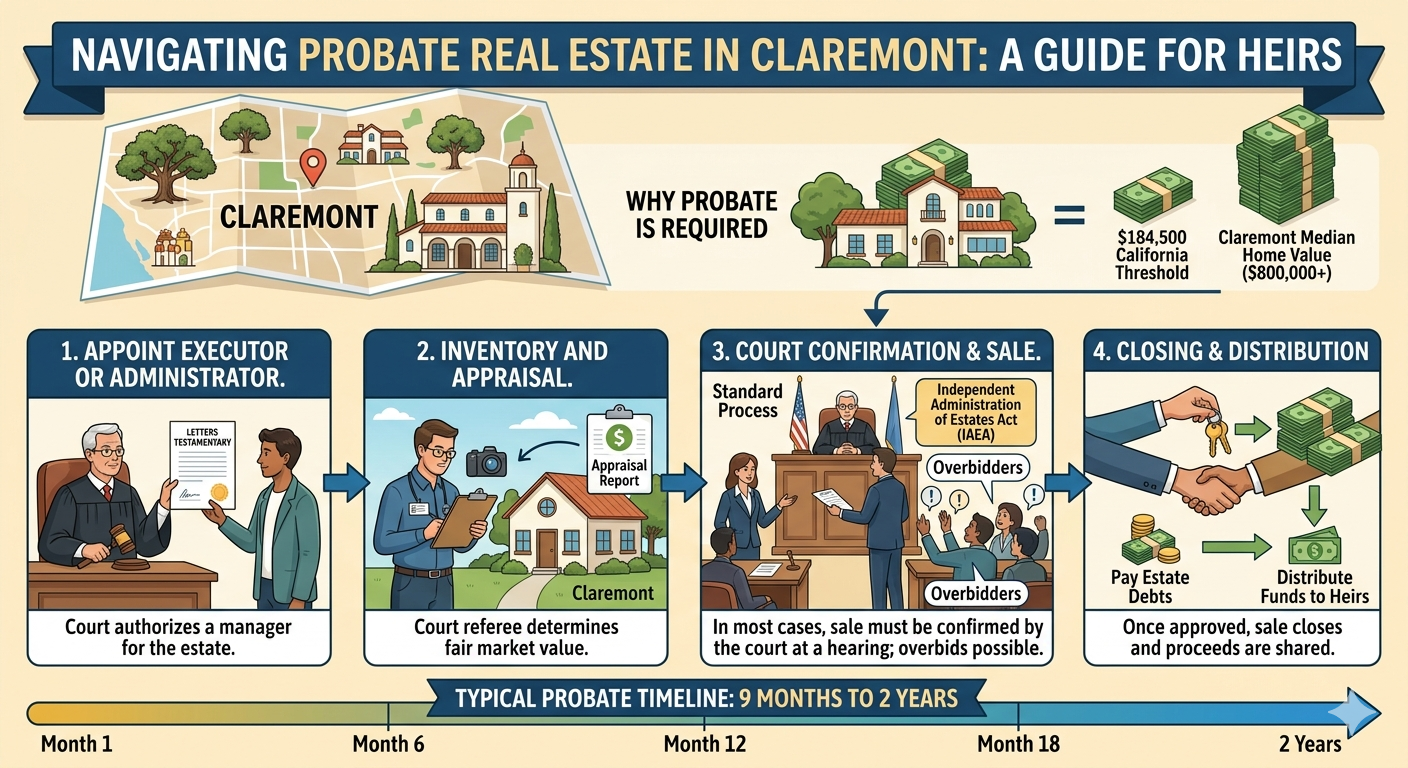
When someone passes away and leaves real estate behind, that property typically cannot be transferred or sold until the estate clears probate — the court-supervised legal process that validates the will (if one exists), identifies assets and debts, and authorizes the distribution or sale of property.
In California, probate is generally required when the total value of the estate exceeds $184,500 (a threshold that adjusts periodically under California law). Given that Claremont's median home values consistently exceed $800,000, probate applies to the vast majority of inherited properties in this market.
The probate process for real estate in Claremont falls under the jurisdiction of the Superior Court of California, County of Los Angeles. Here's what that process looks like at a high level:
1. Appointment of executor or administrator. If the deceased left a will, it typically names an executor. If not, the court appoints an administrator. This person — granted authority through Letters Testamentary or Letters of Administration — has the legal power to manage and ultimately sell the property.
2. Inventory and appraisal. A court-appointed probate referee appraises the estate's real estate at fair market value as of the date of death. This Probate Referee Report establishes the baseline value the court uses to evaluate any sale.
3. Court confirmation (in most cases). Unless the estate qualifies under California's Independent Administration of Estates Act (IAEA), selling the home requires a court confirmation hearing where the sale price is approved. Outside buyers may submit competing overbids at the hearing, which can drive the final price above the original contract.
4. Closing and distribution. Once the court approves, the transaction closes and proceeds are distributed to heirs or applied to outstanding estate debts.
The California probate process typically takes 9 months to 2 years, depending on estate complexity, the LA County court calendar, and whether heir disputes arise.
When You Can Sell
This is one of the most common questions heirs ask — and the most common source of frustration when they learn the answer.
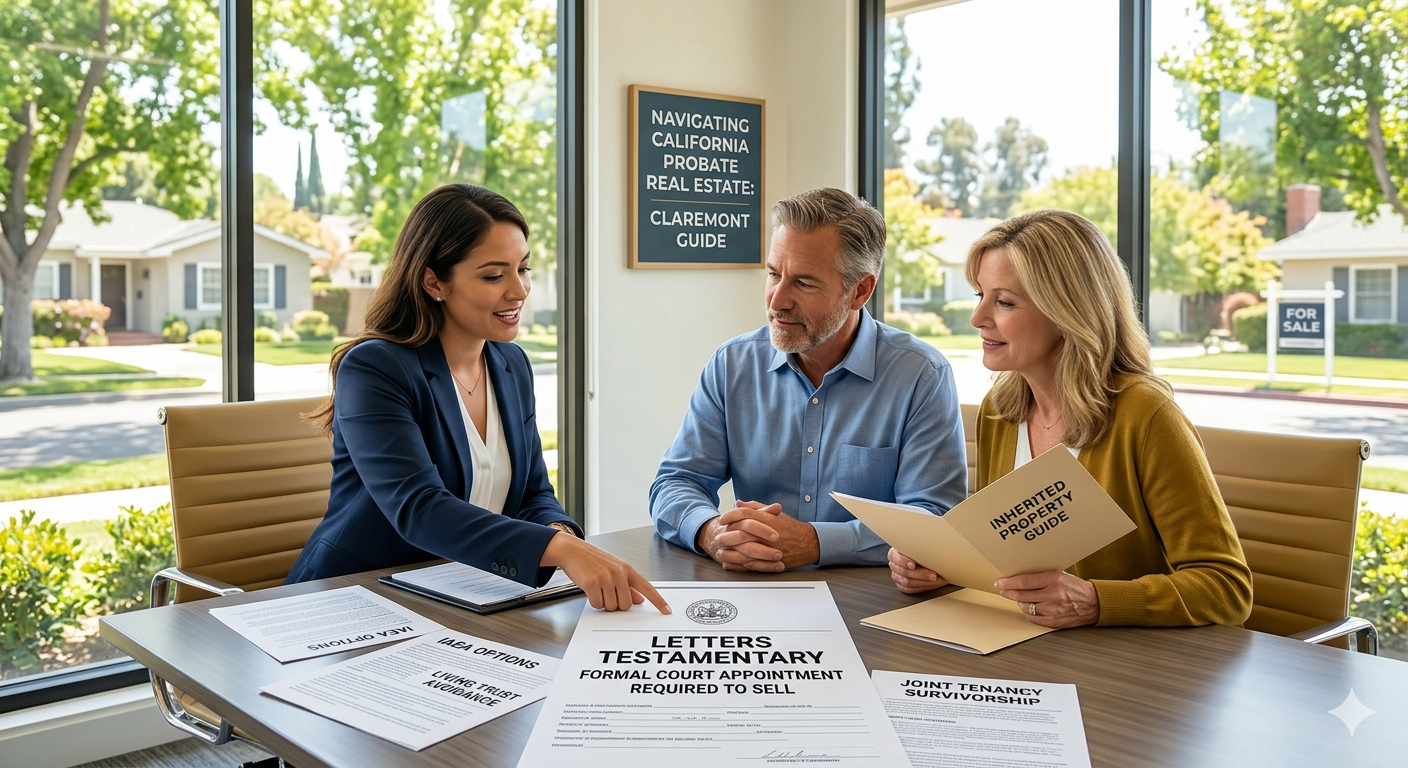
In most California probate situations, you cannot list and sell the property until the executor or administrator has been formally appointed by the court and has received Letters Testamentary or Letters of Administration. Without that legal authority, no contract can be executed and no title can be transferred.
That said, there are situations where the timeline can be shortened or the court confirmation requirement bypassed:
Independent Administration of Estates Act (IAEA). If the executor petitions for "full authority" under the IAEA and no heirs object, the property can be sold without a court confirmation hearing — significantly reducing the timeline and eliminating overbid risk. Not every estate qualifies, but it's worth discussing with a probate attorney early.
Trusts avoid probate entirely. If the deceased placed their home in a revocable living trust, the successor trustee can transfer or sell the property without going through probate at all — one reason estate planning attorneys strongly recommend trust-based planning for California homeowners in high-value markets like Claremont.
Joint tenancy with right of survivorship. If the property was held jointly with a surviving spouse or co-owner, title may pass directly without probate through an Affidavit of Death of Joint Tenant.
Understanding which path applies to your situation is the critical first step — and one where a probate attorney and an experienced probate agent working together can save significant time and money.
Common Mistakes Heirs Make
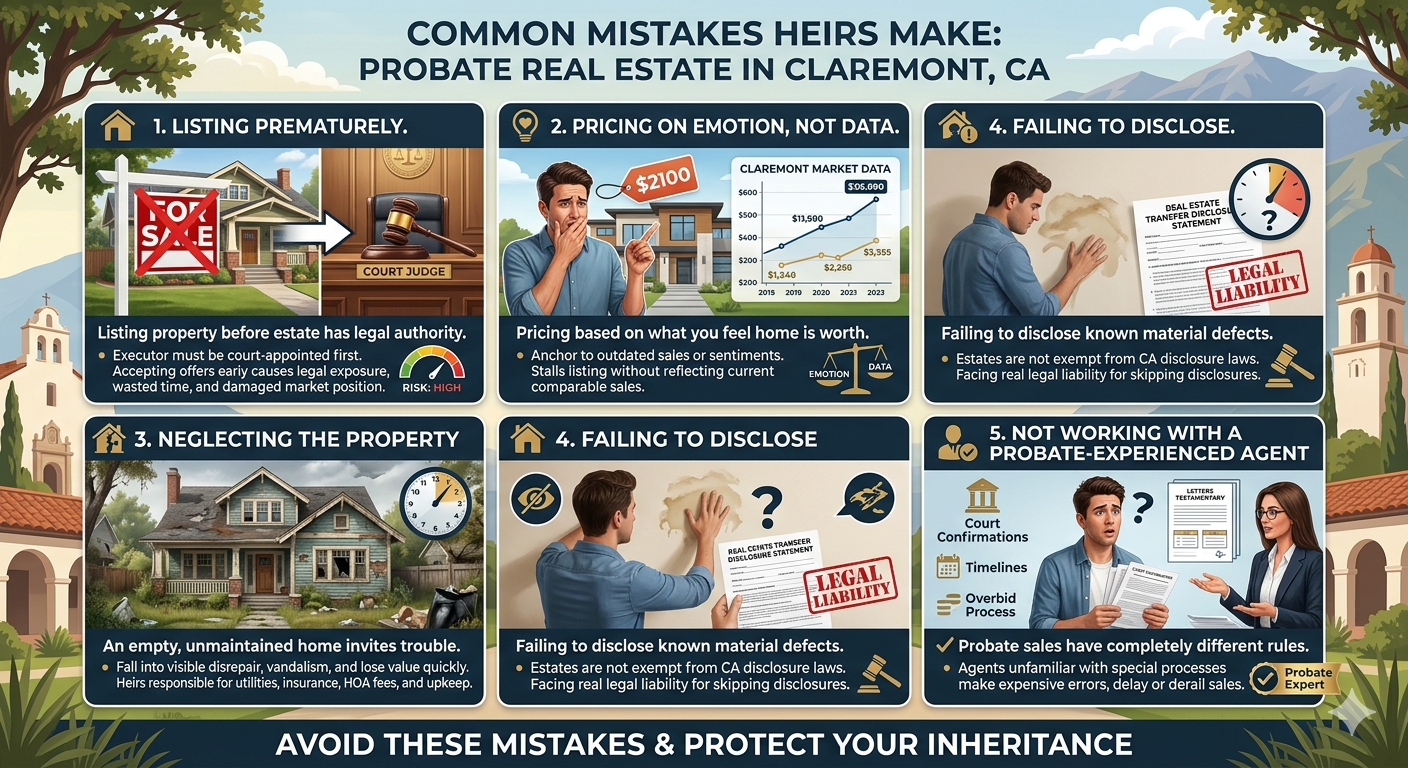
Even well-intentioned heirs make decisions during probate that create delays, legal complications, or financial losses. These are the most common ones I see in the Claremont area:
Listing the property before the estate has legal authority. This is the most frequent and most costly mistake. Accepting an offer on a home before the executor or administrator has court authority creates legal exposure and almost always falls apart — wasting everyone's time and damaging the property's market position.
Pricing based on emotion, not data. Heirs often anchor to what they feel the home is worth — what a neighbor sold for years ago, or what the family paid decades back. Claremont's market is data-driven. Pricing must reflect current comparable sales, not sentiment, or the listing stalls.
Neglecting the property during probate. Probate takes time. An empty, unmaintained home in Claremont can fall into visible disrepair, invite vandalism, and lose value quickly. Heirs are responsible for maintaining the property — including utilities, insurance, HOA dues, and basic upkeep — throughout the process.
Failing to disclose known issues. California law requires sellers — including estates — to disclose known material defects. Probate sales are not exempt, and heirs who skip disclosures face real legal liability.
Not working with a probate-experienced real estate agent. Probate sales operate under completely different rules from standard transactions. An agent unfamiliar with court confirmations, probate timelines, and the overbid process can make expensive errors that delay or derail the sale.
How to Avoid Delays
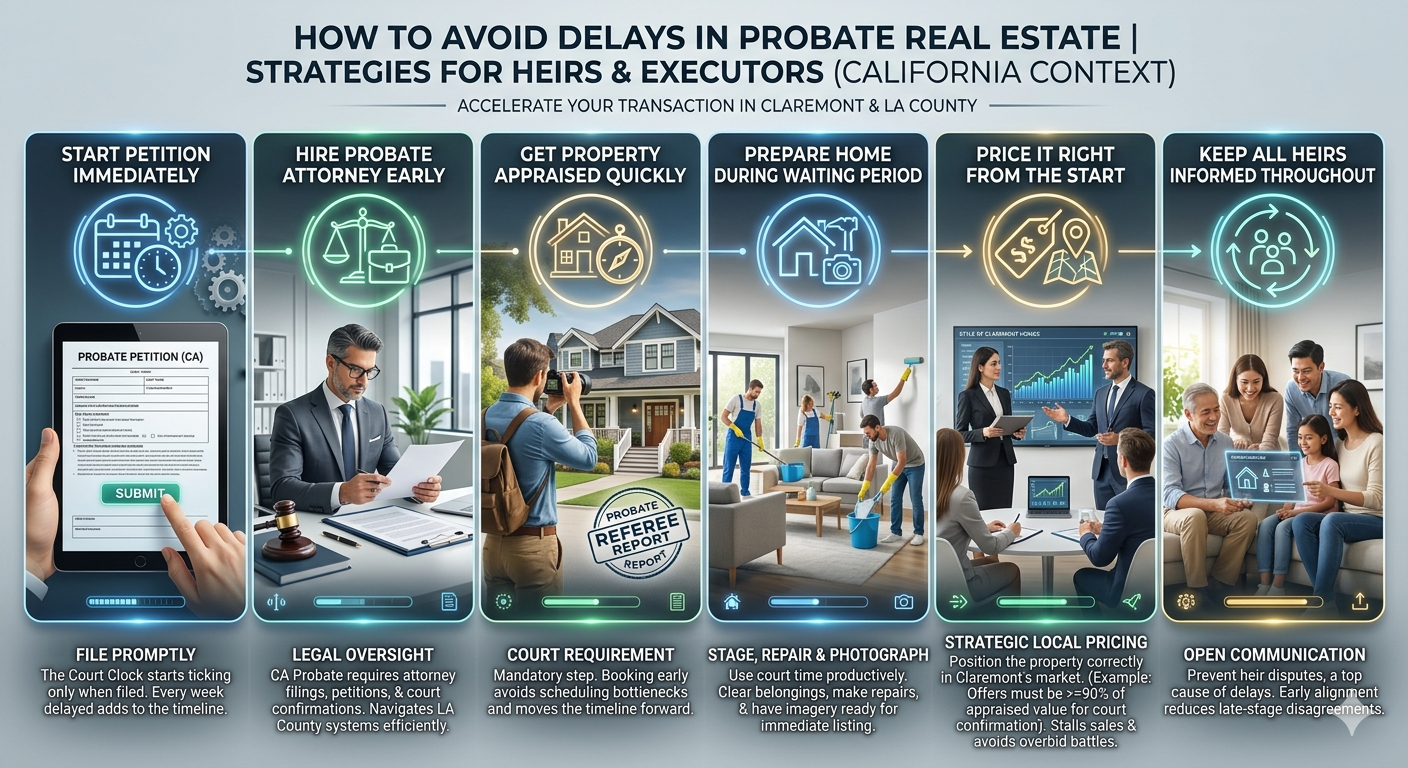
Probate is inherently slower than a standard home sale — but unnecessary delays are almost always avoidable. Here's what moves things faster:
Start the probate petition immediately. The court clock doesn't start until the petition is filed. Every week of hesitation after the death adds a week to the end of the process. File promptly.
Hire a probate attorney early. California probate requires legal oversight. A probate attorney handles court filings, petitions, and confirmations — and trying to navigate Los Angeles County's probate court without one almost always creates expensive problems.
Get the property appraised quickly. The probate referee appraisal is a court requirement, and scheduling delays are common. Requesting the appraisal early keeps the timeline moving.
Prepare the home during the waiting period. Use the court timeline productively — make necessary repairs, clear out belongings, stage, and have professional photography ready. When authority to sell arrives, you can go to market immediately instead of waiting another month to prepare.
Price it right from the start. In a court confirmation sale, the offer price must be at least 90% of the appraised probate value. Price too high and offers stall; price too low and an overbid battle follows. A probate-experienced agent knows how to position the listing correctly in Claremont's market.
Keep all heirs informed throughout. Heir disputes are among the leading causes of probate delays. When everyone is aligned early, disagreements are far less likely to surface at the worst possible moment — mid-transaction.
Frequently Asked Questions: Probate Real Estate in Claremont
How long does probate take in California? Most California probate cases involving real estate take between 9 months and 2 years. Complex estates, heir disputes, or court backlogs in Los Angeles County can extend this further. Estates that qualify under the IAEA may move faster.
Can I sell an inherited home in Claremont without going through probate? In some cases, yes. If the home was held in a trust, in joint tenancy with right of survivorship, or qualifies for a small estate affidavit, probate may not be required. A probate attorney can determine which path applies to your situation.
Do I need a special real estate agent for a probate sale? Strongly recommended. Probate sales in California involve court confirmation hearings, the overbid process, specific disclosure requirements, and strict timelines that differ entirely from standard transactions. An agent without probate experience can cause costly mistakes.
What is the overbid process in a California probate sale? At the court confirmation hearing, outside buyers can submit competing bids above the original offer. The minimum overbid is typically the contract price plus 5% plus $500. This can push the final sale price higher — but it also means no sale is final until the court signs off.
Who pays property taxes and bills during probate? The estate covers ongoing costs — property taxes, insurance, HOA fees, utilities, and maintenance — while probate is active. Heirs should budget accordingly, as these expenses can total several thousand dollars per month.
About Paul Vyhnalek
Paul Vyhnalek is a licensed California real estate professional (DRE #01882019) and founder of V Venture Properties, serving families throughout Claremont, the San Gabriel Valley, and the Inland Empire. Paul works with heirs navigating California probate — from initial court filings through closing — partnering with probate attorneys to ensure every step is handled correctly. He is a member of the California Association of Realtors and the National Association of Realtors.

Get a Clear, Step-by-Step Plan for Your Situation
You don't have to figure this out alone. Whether probate has just begun, you're mid-process and hitting obstacles, or you're not sure where to start — a conversation costs nothing and can save months of confusion.
Paul Vyhnalek will walk you through your situation, explain your options clearly, and help you build a plan that protects the estate and moves it forward.
📱 Call or Text: 909-319-8338 🌐 Website: soldbypaulvyhnalek.com 📅 Schedule a Call: soldbypaulvyhnalek.com/schedule-call ✉️ Email: [email protected]


