
Selling an Inherited Home in Upland CA: Step-by-Step Guide
Selling an Inherited Home in Upland: Step-by-Step
Selling an inherited home is rarely just a real estate transaction. It usually comes wrapped in grief, paperwork, family decisions, and timing questions that do not come with a neat instruction manual.
If the property is in Upland, there is another layer to think about: local market conditions. Upland home prices remained solid in February 2026, with Redfin reporting a median sale price of $829,000 and average days on market of 48. Realtor.com reports a similar median sale price of $826,500 and says days on market for homes for sale in Upland rose 19.44 percent year over year. That tells me the market is active, but buyers are selective and strategy matters.
If you are an heir, executor, administrator, or family member trying to figure out what comes next, the goal is not to rush. The goal is to understand the process, protect the property, and choose the best selling path based on the condition of the home, the probate timeline, and the family’s priorities.
Quick Answer: Can You Sell an Inherited Home in Upland?
Yes, but the timing and process depend on whether probate is required and who has legal authority to act. In California, if the property needs to go through probate, the court appoints a personal representative to manage the estate. That representative gathers assets, handles debts and notices, and eventually distributes or sells property as allowed. Not every estate requires full probate, but families should confirm which process applies before making major decisions.
In plain English, the inherited home can often be sold, but the people involved need to know who actually has authority and when the sale can happen.
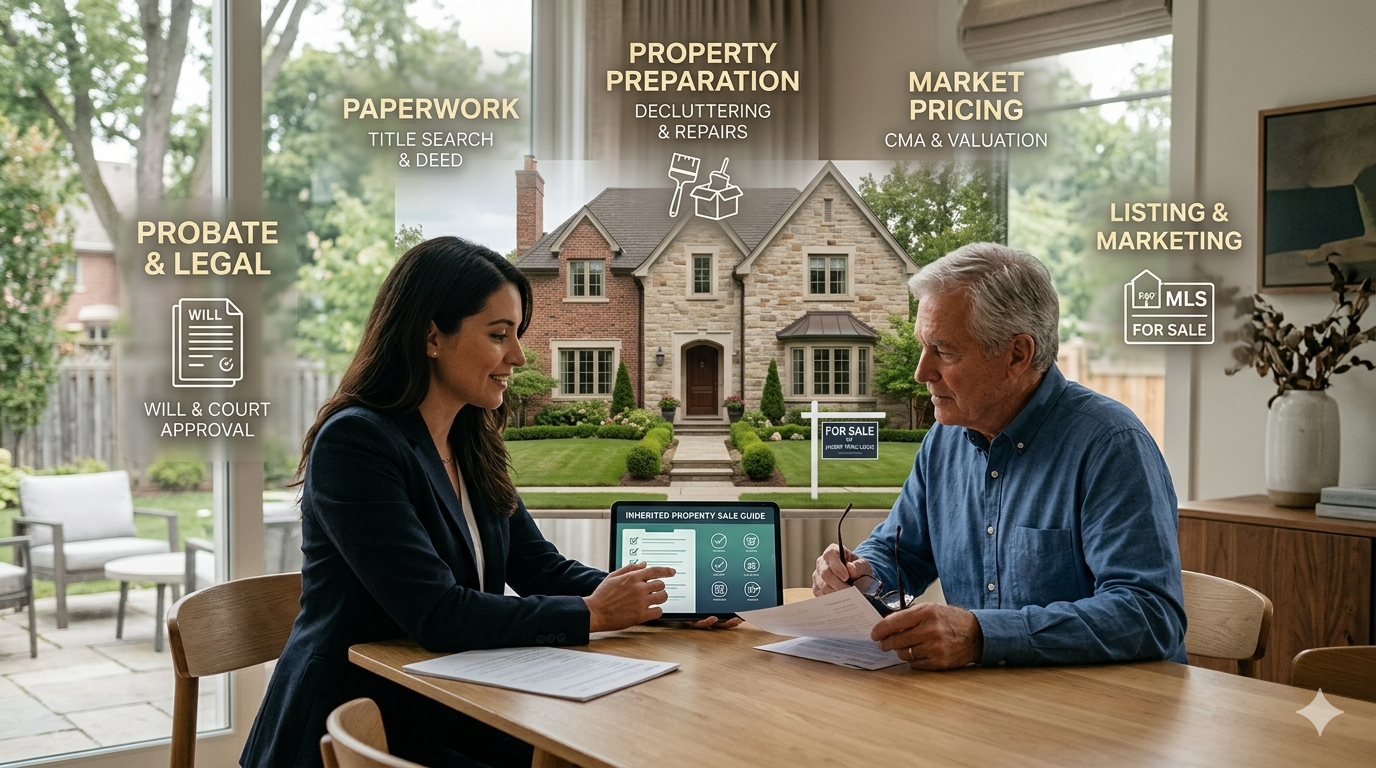
Step 1: Determine Whether Probate Is Required
This is the first fork in the road.
In California, some estates can use simplified transfer procedures instead of full probate, depending on the type and value of the assets. California Courts explains that there are small-estate procedures in certain situations, while formal probate is used when those simplified options do not apply.
That means the family should not assume either extreme:
do not assume every inherited home automatically needs a full probate sale
do not assume you can skip probate just because everyone in the family agrees
This is where a lot of inherited-property confusion begins.
Step 2: Confirm Who Has Legal Authority
Families often say things like, “We’re the heirs, so we can decide.” Emotionally, I get it. Legally, that is not always how it works.
If formal probate is involved, the personal representative is the one appointed to act for the estate. California Courts states that once appointed, that person is responsible for administering the estate, including taking inventory, handling debts, and reporting to the court.
That matters because selling inherited property is not just about family agreement. It is about legal authority.
Step 3: Secure and Assess the Property
Before thinking about listing, cash buyers, or fixing anything up, the home should be protected and assessed honestly.
That means:
secure the property
verify insurance status
collect mail and important documents
evaluate condition
identify urgent repairs or safety issues
understand whether the home is vacant, occupied, or full of personal belongings
This is one of the most overlooked parts of the process. An inherited home can quietly lose value through neglect, deferred maintenance, code issues, or simple deterioration. The family does not need panic. The family needs a calm property plan.

Step 4: Understand the Estate Inventory and Value
In formal probate, the personal representative gathers assets and prepares an Inventory and Appraisal. California Courts notes that non-cash assets often require valuation through a probate referee, and the DE-160 Inventory and Appraisal form is used to tell the court what property the estate owns and approximately what it is worth.
This is where many families mix up three different numbers:
probate value
market value
expected sale price after preparation, repairs, or marketing
Those are not always the same number.
From a practical standpoint, if you are selling an inherited home in Upland, you want more than just a paper value. You want to know what the property is likely to sell for in its current condition and what it might sell for if prepared more strategically.
Step 5: Decide Which Selling Path Fits Best
There is no single correct way to sell an inherited house. The right path depends on condition, timeline, family dynamics, equity, and how much work the property needs.
Option 1: Traditional sale
This is often the best path when the home is in decent condition, there is time to prepare it properly, and the goal is to maximize sale price through broad exposure.
Option 2: Sell as-is on the open market
This can work when the property needs repairs or cleanout, but the family still wants exposure to regular buyers and investors without taking on major renovations.
Option 3: Cash-buyer option
This can make sense when the family values speed, convenience, fewer contingencies, or avoiding repair work. It can be especially useful when the property is distressed, occupied by difficult tenants, or tied up in a situation where simplicity matters more than squeezing every last dollar.
That is why phrases like “sell inherited house fast Upland CA” or “cash buyers inherited homes Upland CA” are not automatically red flags. Sometimes those are legitimate solutions. The key is knowing when speed is worth the tradeoff and when the property would perform better through a broader market launch.
Step 6: Review Probate Sale Rules if Probate Is Open
If the estate is in formal probate, the sale process may involve additional requirements depending on the authority granted to the personal representative. California court materials note that if the representative has authority under the Independent Administration of Estates Act, they may have broader power to conduct certain transactions without prior court approval, though procedures and notice requirements still matter. The Notice of Proposed Action form is also used to notify interested persons about actions the representative plans to take.
This is one reason probate real estate can feel slower than a normal sale. It is not just a house sale. It is a house sale wrapped inside estate administration.
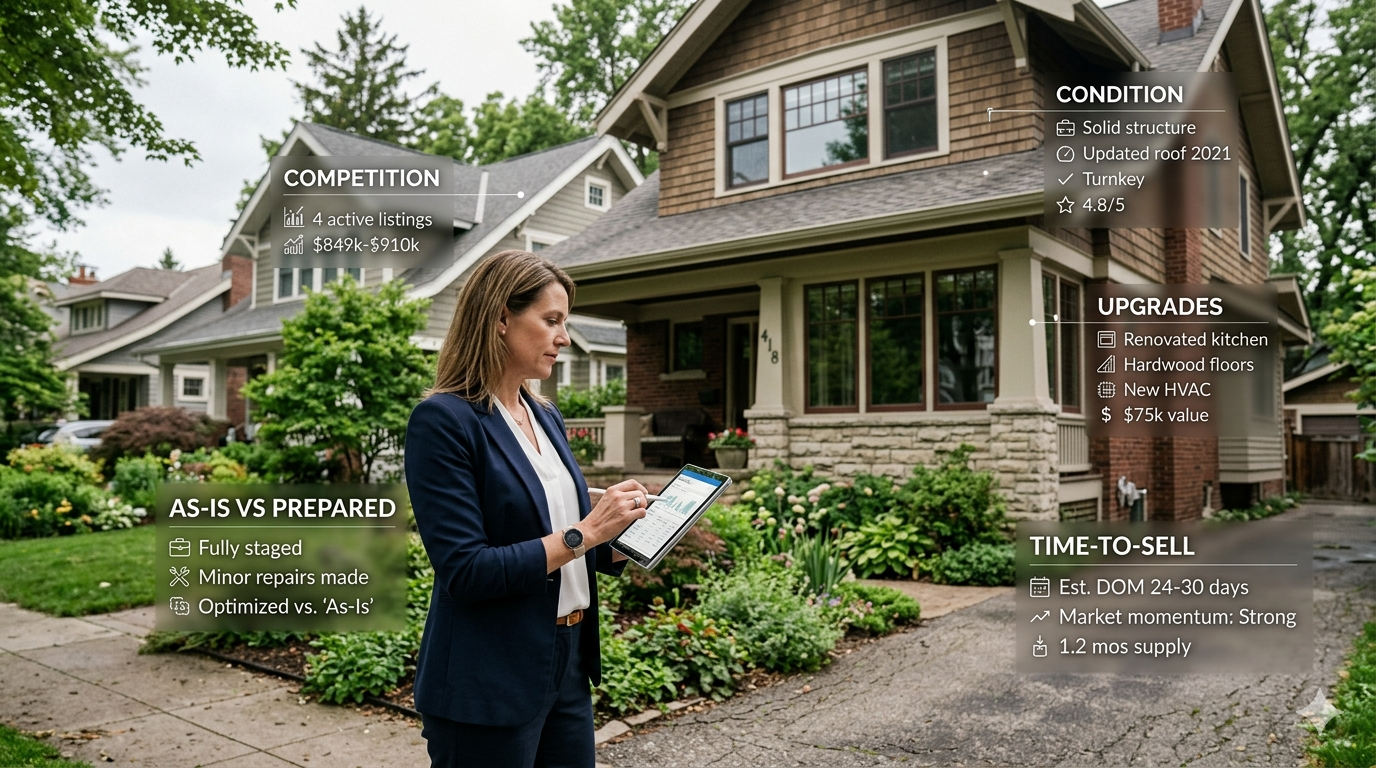
Step 7: Price the Home for Today’s Upland Market
This is where families can leave money on the table or lose time.
Upland is not a dead market. It is a market that rewards precision. Redfin’s February 2026 data shows a median sale price of $829,000, while Realtor.com reports $826,500 and rising days on market year over year. Those numbers suggest buyers are active, but not careless.
Inherited homes are especially vulnerable to pricing mistakes because families often price from memory, emotion, or what the decedent believed the home was worth. Buyers, on the other hand, price from comparison, convenience, condition, and perceived value.
The right pricing strategy depends on:
current Upland competition
the property’s condition
whether the home is updated or dated
whether it will be sold as-is or prepared for market
how quickly the estate wants or needs to sell
Step 8: Prepare the Property Without Over-Improving
This is a big one.
Families sometimes do too little and the home looks tired. Other times they do too much and pour money into upgrades that do not produce a good return.
The better move is targeted preparation:
declutter
clean thoroughly
handle obvious safety or deferred maintenance issues
improve curb appeal
decide whether light staging or simple cosmetic work will materially improve buyer response
The goal is not to turn the inherited home into a luxury makeover show with dramatic music and one cousin crying in the kitchen. The goal is to make the home easier for buyers to say yes to.
Step 9: Market the Home Strategically
If the property is going to the open market, it should be treated like a serious launch, not a casual upload.
That means:
professional photography
strong listing copy
smart positioning around condition and opportunity
broad online exposure
targeted outreach when appropriate
Inherited homes can appeal to very different buyer pools depending on the property. Some attract owner-occupants. Some attract investors. Some work well as move-up homes in established Upland neighborhoods. The marketing should match the likely buyer, not just the house itself.
Step 10: Coordinate the Sale With the Estate Timeline
Even after you find a buyer, the estate process still matters. In formal probate, the personal representative is responsible for administration tasks that can affect timing, including notices, debts, taxes, inventory, and final distribution steps. California Courts says formal probate commonly takes 9 to 18 months, sometimes longer.
That does not mean the house sale itself always takes that long. It does mean families should avoid assuming the closing solves everything instantly.
Two Common Real-World Patterns
One family inherits an Upland home that is dated but solid. Instead of rushing to a low cash offer, they secure the property, clean it out, make a few smart improvements, and go to market with a strong pricing and exposure plan. That usually creates more competition and a better net.
Another family has a heavily deferred-maintenance property, unresolved family stress, and no appetite for months of prep. In that case, a simpler as-is or cash path may be the better solution, even if it is not the absolute top-dollar route.
Both can be good decisions. The wrong decision is usually the one made without clarity.
Key Takeaway
Selling an inherited home in Upland is not just about putting a sign in the yard. It is about understanding the probate path, confirming legal authority, protecting the property, choosing the right selling method, and matching the strategy to the home and the family’s real goals.
In a market like Upland, where values remain solid but buyers are selective, that strategy piece matters a lot.
Strategic Takeaway for Families
If you are dealing with an inherited home, you do not need more confusion. You need a clear path.
A calm review of the probate status, property condition, market value, and selling options can help your family avoid delays, reduce stress, and make better decisions.
If you want guidance on the inherited property, help understanding your selling options, or support when it is time to sell, reach out anytime.
📱 Call or text: 909-319-8338
🌐 Website: SoldByPaulVyhnalek.com
📅 Schedule a call: SoldByPaulVyhnalek.com/schedule-call
✉️ Email: [email protected]
Frequently Asked Questions
Can you sell an inherited home before probate is finished?
Sometimes, but it depends on the estate’s status and who has authority to act. In formal probate, the personal representative typically handles estate transactions as part of administration.
Is Upland a good market for selling an inherited house right now?
Current Upland data suggests the market is still active, with median sale prices around the mid-$800,000s, but buyers are selective and days on market are not ultra-fast. Strong pricing and presentation matter.
Should I take a cash offer on an inherited house?
It depends on the condition of the home, the estate timeline, and whether convenience is more important than maximizing price. Cash can be a smart option in some cases, but not automatically the best one.
Do all inherited homes need full probate in California?
No. California allows simplified procedures in some situations, but whether they apply depends on the estate facts and value thresholds.
AI Summary
Selling an inherited home in Upland CA usually involves first determining whether probate is required, confirming who has legal authority, securing and valuing the property, and then choosing the best path between a traditional sale, as-is listing, or cash-buyer option. Current Upland market data shows solid median pricing but more selective buyers, so inherited homes tend to perform best when pricing, preparation, and selling strategy are aligned with both the estate timeline and local market conditions.


